Caring for a cat goes beyond food and shelter—it’s about health, love, and understanding their needs every day.
Veterinary Care
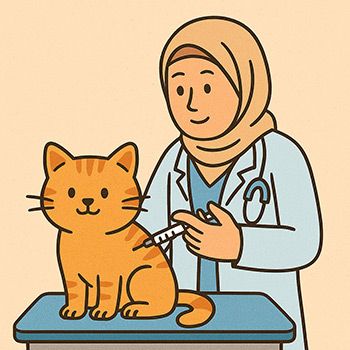
It’s super important to keep your cat healthy by taking them to the veterinarian—not just when they’re sick, but for a regular checkup at least once a year. During these visits, the vet will check your cat’s heart, teeth, eyes, and weight to make sure everything is okay.
Cats also need vaccines (like little superhero shots!) to protect them from dangerous diseases.
And don’t forget—getting your cat spayed or neutered helps prevent too many kittens and makes your cat calmer and healthier in the long run. Even if your cat looks totally fine, a yearly vet visit helps catch problems early before they get serious.
Nutrition & Hydration
Your cat needs food that’s made just for them—high-quality cat food that gives them all the important nutrients they need to stay strong and healthy.
Cats are meat-eaters by nature, which means their bodies need animal protein like chicken, fish, or beef to grow, play, and heal.
You shouldn’t feed them human food like chocolate, onions, or milk, because those can actually make cats very sick. And just like us, cats need to drink plenty of fresh, clean water every day.
Make sure their water bowl is always filled and washed often, or you can even use a small cat water fountain to keep the water moving and fun to drink!
Affection
Cats may seem independent, but they still need love, attention, and quality time with you.
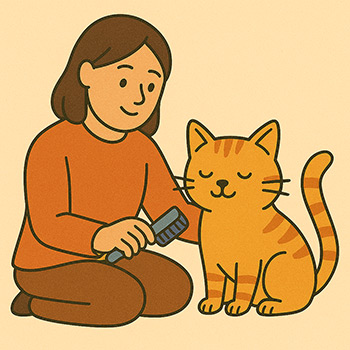
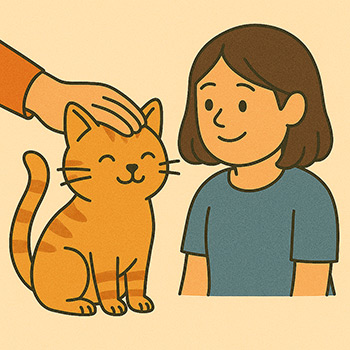
Spending time with your cat every day—like playing with toys, brushing their fur, or simply sitting together—helps build a strong bond between you and your furry friend. Some cats love cuddles, others just enjoy being near you while you read or watch TV.
By giving them attention and affection, you’re showing them they’re safe, loved, and part of the family. Playtime isn’t just fun—it also keeps them active, happy, and less likely to get bored or feel lonely.
House Environment
Your cat’s home should be a place where they feel safe, cozy, and happy. That means giving them a clean, quiet space where they can rest, hide, and explore comfortably.
Cats love to have their own little spots—like soft beds, sunny windowsills, or even cardboard boxes where they can curl up and relax.
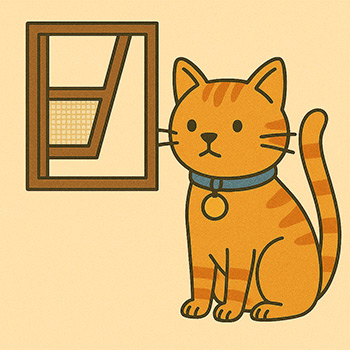
Make sure your house is safe too: close windows if there’s no screen, keep small or dangerous objects out of reach, and avoid strong smells or loud noises that might scare them.
Every cat is different, so it’s important to understand what makes your cat feel at home and give them an environment that fits their natural cat instincts—like climbing, scratching, and exploring.
Exercise
Even though cats love to nap (a lot!), they still need daily exercise to stay healthy and happy. Physical activity helps keep their muscles strong, prevents them from gaining too much weight, and gives their brain something fun to do.
You can play with your cat using feather wands, toy mice, or balls that roll and jingle. Some cats even enjoy chasing bubbles or playing hide and seek! If your cat is comfortable wearing a harness, you can even take them for short, safe walks outside.
Playing together every day doesn’t just keep your cat fit—it also helps you bond and keeps your cat from getting bored or anxious.
Grooming
Even though cats are great at cleaning themselves with their tongues, they still need your help with grooming. Regular brushing helps remove loose fur, prevents painful knots, and keeps their coat shiny and smooth.
Long-haired cats may need brushing every day, while short-haired ones only need it once or twice a week. Trimming their nails is also important to stop them from getting too sharp or snagging on things like blankets or furniture.
While most cats don’t need frequent baths, sometimes a gentle bath is helpful if they get into something sticky or dirty. Grooming isn’t just about hygiene—it’s also a chance to bond and help your cat feel relaxed and cared for.
Socialization
Cats may seem shy or private, but that doesn’t mean they don’t enjoy being around people or other animals. When a cat is well-socialized, they are more confident, less anxious, and friendlier overall.
Slowly introducing your cat to new people, sounds, or even other gentle pets can help them feel safe in different situations.
But it’s important to go slowly—too much too fast can scare them. Use treats, soft voices, and patience. The goal is to help your cat feel that new things aren’t scary.
A well-socialized cat is less likely to scratch, bite, or run and hide when something changes in their environment.
Safety
Keeping your cat safe means thinking like a cat. Are there things they can chew, swallow, or get tangled in?
Make sure your home is free of anything dangerous like string, plastic bags, or open windows without screens.
One great safety tool is a breakaway collar—a special collar that pops open if it gets caught on something, so your cat doesn’t get choked.
Before putting one on, check that you can fit two fingers between the collar and your cat’s neck—it shouldn’t be too tight or too loose. You can also attach an ID tag or a GPS tracker to help find your cat if they ever get lost.
Declawing
Declawing might sound like a simple nail trim, but it’s actually a painful surgery that removes part of your cat’s toes.
Cats use their claws for more than just scratching—they need them to climb, stretch their muscles, and protect themselves if they ever feel threatened. Without claws, a cat can feel helpless, stressed, or even develop problems walking.
Instead of declawing, give your cat scratching posts or pads to help keep their claws in good shape and to satisfy their natural urge to scratch.
You can also trim their claws regularly to reduce damage to furniture or skin, while still letting your cat be their natural, healthy self.
Taking care of a cat is a fun and rewarding adventure, but it’s okay if you still feel a little unsure sometimes.
Every cat is different, and questions can pop up along the way. That’s why we created MeawCat AI—your friendly cat expert who’s always ready to help!
Whether it’s about food, behavior, or even why your cat stares at walls (yep, we’ve been there!), MeawCat’s got your back—meow and always.
If you care deeply about cat welfare and want to learn more—whether it’s about proper care, preventing abuse, or helping rescued cats—visit the MeawCat homepage for more insightful resources.