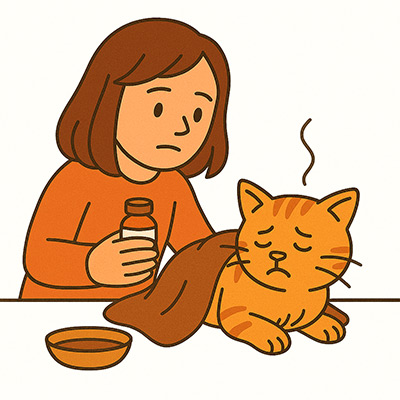
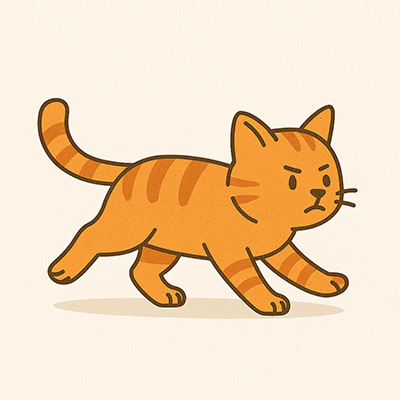
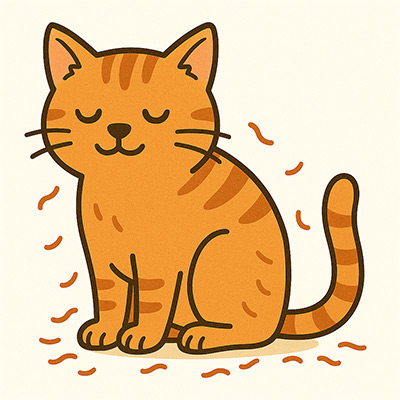
Cats can’t speak like humans. They can’t say, “I’m hurt,” or “I’m scared.” That’s why we need to learn how to notice when something is wrong.
Sadly, many cats get hurt or left alone, and people don’t help—because they don’t know the signs. This guide will help you become someone who notices, cares, and protects.
Types of Cat Abuse (Direct and Indirect)
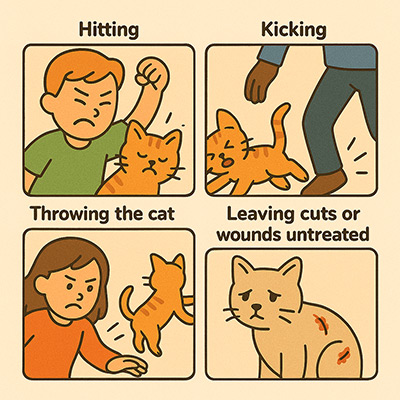
Physical Abuse
This is when someone hurts a cat with their body, like:
Hitting
Kicking
Throwing the cat
Leaving cuts or wounds untreated
This is very painful for the cat and can cause fear and serious injuries.
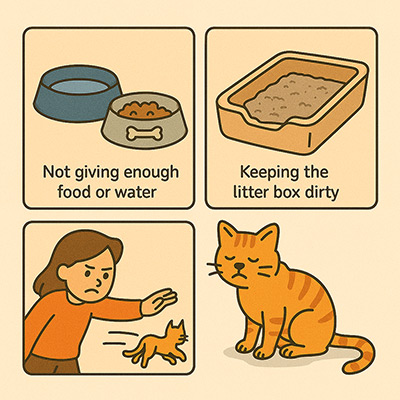
Neglect
This means not taking care of a cat properly, such as:
Not giving enough food or water
Keeping the litter box dirty
Leaving the cat very skinny and weak
Sometimes, it’s not done on purpose, but the cat still suffers.
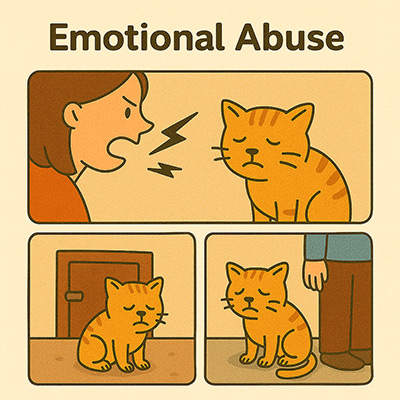
Emotional Abuse
Even though you can’t see bruises, cats feel emotions too. Emotional abuse includes:
Yelling at a cat every day
Locking them up alone for long times
Ignoring them completely
Cats can feel very sad or scared when treated this way.
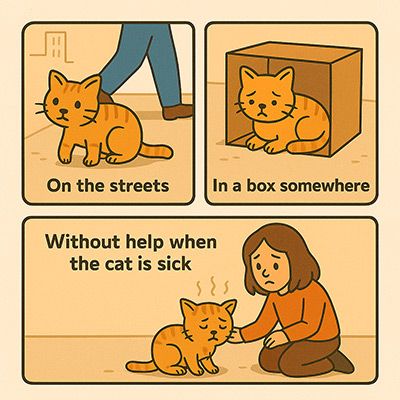
Abandonment
This happens when someone leaves their cat behind:
On the streets
In a box somewhere
Without help when the cat is sick
Abandoned cats feel lonely and scared. They can get hurt or starve.
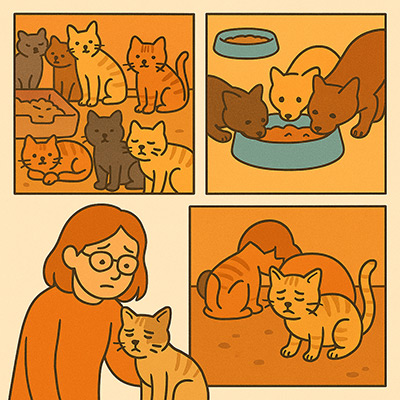
Hoarding Situations
Sometimes people keep too many cats in one place but don’t care for them well. This can cause:
Crowded, dirty living space
Not enough food or medicine
Sick cats with no help
Even if the person means well, this still hurts the cats.
Physical Signs to Watch For
You can look at a cat’s body to check if something may be wrong:
Wounds or bruises: scratches, bleeding spots, or cuts that are not healed.
Bugs or infections: dirty ears, fleas, or bald patches from sickness.
Messy fur: very dirty or falling out badly, not just a little.
Limping or strange walking: may mean broken bones or hurt legs.
Bad smell: can mean infection or poop stuck to their body.
Behavioral Red Flags
Cats also show signs with their actions. If a cat acts like this, it may be in trouble:
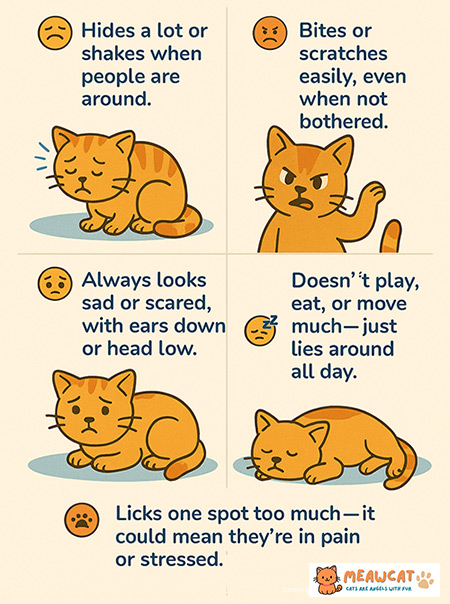
😿 Hides a lot or shakes when people are around.
😾 Bites or scratches easily, even when not bothered.
🥺 Always looks sad or scared, with ears down or head low.
😴 Doesn’t play, eat, or move much—just lies around all day.
🐾 Licks one spot too much—it could mean they’re in pain or stressed.
Some cats are naturally quiet or shy, but if these signs happen often, they may be crying for help.
Environmental Signs
Sometimes, it’s the place where the cat lives that tells the story:
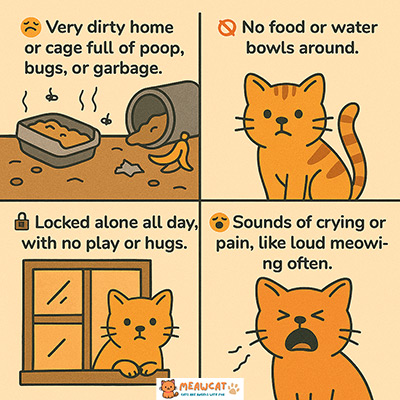
Very dirty home or cage full of poop, bugs, or garbage.
No food or water bowls around.
Locked alone all day, with no play or hugs.
Sounds of crying or pain, like loud meowing often.
Old bloodstains or fur clumps around their living space.
Cats should live in a place that feels safe and clean, just like us.
What To Do If You Suspect Cat Abuse
If you see something that doesn’t feel right, don’t panic. Here’s what to do:
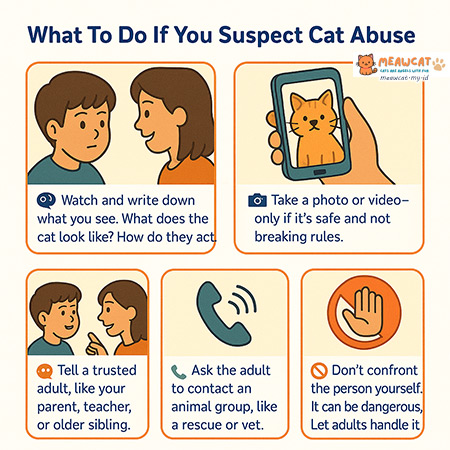
👀 Watch and write down what you see. What does the cat look like? How do they act?
📸 Take a photo or video—only if it’s safe and not breaking rules.
🗣️ Tell a trusted adult, like your parent, teacher, or older sibling.
📞 Ask the adult to contact an animal group, like a rescue or vet.
🚫 Don’t confront the person yourself. It can be dangerous. Let adults handle it the right way.
What’s NOT Abuse: Misunderstood Situations
Some things may look bad, but they’re not always abuse. For example:
A cat looks sick, but maybe the owner is already trying to help or taking it to the vet soon.
A cat runs from strangers—it doesn’t always mean someone was mean. Some cats are just shy.
Fur falling off? Some cats shed naturally, especially when seasons change.
So don’t judge too fast. But it’s okay to ask or tell an adult if you’re worried.
End with Empathy & Action
Now you know the signs. But don’t stop there—be kind, be brave, and be a voice for animals who can’t speak.
“Spotting abuse is the first step. But being kind, speaking up, and helping others learn—that’s how we make the world safer for cats.”