

How Can We Stop Cat Abuse?
A Cry No One Heard
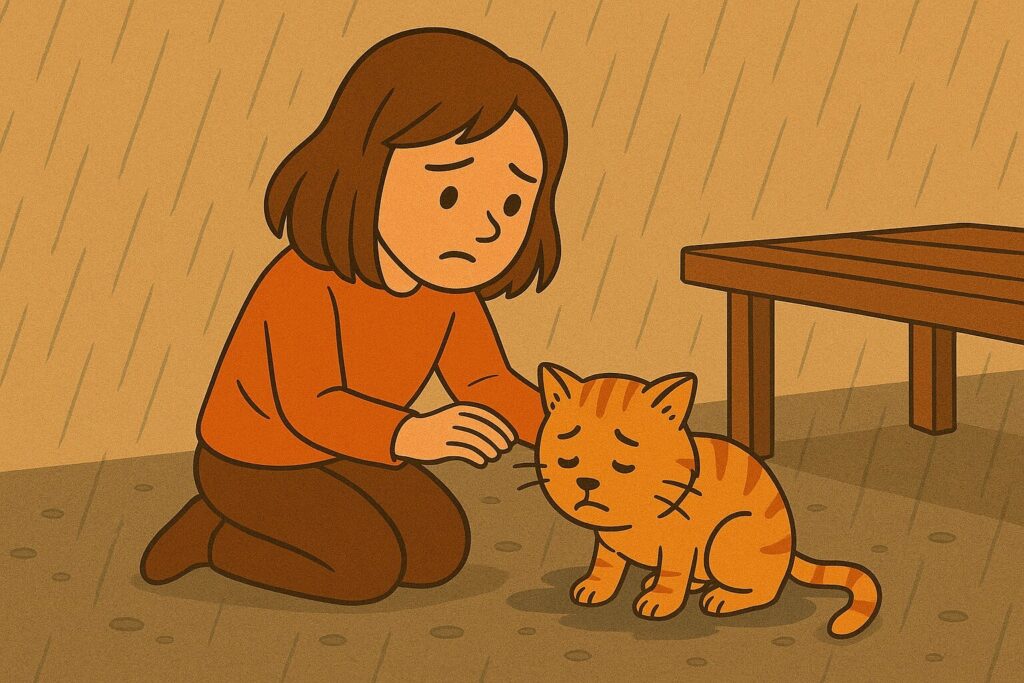
It was a rainy afternoon when Shakila saw it—a small, orange kitten hiding under a bench near her house. The kitten was shivering, soaked from head to tail. Its fur was dirty, and it limped when it tried to walk. Shakila knelt down and gently whispered, “It’s okay… I won’t hurt you.”
She named the kitten Berger.
Berger wasn’t just hungry—she was scared. Someone had kicked her. Someone thought it was okay to hurt a small, helpless animal.
Shakila was just 11 years old. But that day, she promised to do something. To speak up. To protect. To never look away.
And so can we.
What is Cat Abuse?
Cat abuse is when someone hurts, neglects, or mistreats a cat. It can be something obvious—like hitting, kicking, or throwing a cat. But it can also be quieter and harder to notice, like:
Not giving food or water
Leaving a sick cat without help
Locking a cat in a small cage all day
Abandoning kittens on the street
These are all forms of cruelty. Just because a cat cannot speak, doesn’t mean they don’t feel pain.
Why Is It A Problem?
Some people think animals don’t matter. Some are never taught how to care for pets. And sadly, some people hurt animals because of their own pain, fear, or anger.
According to the Humane Society and RSPCA, abuse often happens when people:
Have mental or emotional struggles
Weren’t taught kindness toward animals
Want to “control” something weaker than them
Think it’s “just a cat” and doesn’t matter
But every living being matters. And children like Maya? They are the change.
Why Isn’t the Government Doing Anything?
According to Fiolita Berandhini from Animals Don’t Speak Human, the government in Indonesia is still more focused on human issues rather than animals. It’s not that they don’t care—but animal rights aren’t seen as urgent.
There is a law to punish people who abuse cats. But the punishment is light. If someone injures a cat, they might only go to jail for 3 to 9 months, or pay a fine between 2 to 200 million rupiah. If they kill many cats, the jail time might only reach a little over one year.
Sometimes, the cases are even ignored. Which brings us to this question:
Do they care? Or do they simply not understand what cat abuse means?
Do People Care?
Yes, and no. Many people care deeply about cats, but others stay silent. Why?
Because they don’t realize what cat abuse looks like. Most people think abuse only means kicking or hitting. But yelling, locking up, abandoning, or ignoring a cat’s health are also forms of abuse.
Sometimes, people do it without knowing. That’s why education is important. Because you can’t care about something you don’t understand.
So … How Can We Stop Cat Abuse?
Whether you’re a student, parent, teacher, or just someone who loves animals—you can help.
These strategies are simple but powerful. You don’t need to be rich or famous. You just need to care.
1. Learn What Cats Need
Abuse often happens because people don’t know better. So let’s start by learning:
Cats need clean water and daily food
Cats can’t tell you when they’re hungry or thirsty, so it’s important to give them fresh water every day and enough food to stay healthy. Whether it’s a pet or a stray, make sure their bowl isn’t empty for too long. If you can’t feed a stray cat every day, even sharing leftovers or dry food sometimes can help a lot.
They need space to move, rest, and feel safe
Cats don’t like being trapped or stuck in noisy, stressful places. They need quiet corners to rest and space to walk around, stretch, and play. Don’t lock a cat in a small cage all day. Give them a cozy spot, even if it’s just a box with a towel inside, where they can feel safe and calm.
They need gentle handling—not shouting or hitting
Never hit, throw, or scream at a cat. Cats remember fear and pain. Instead, use a calm voice and slow movements when you’re near them. If a cat hisses or hides, it means they’re scared—not bad. Give them time and space until they feel safe around you.
Sick or injured cats need help—not to be ignored
If a cat is limping, bleeding, or looks very weak, it needs medical care. Don’t walk away. Ask an adult for help, call an animal rescue, or take the cat to a vet if possible.
Even if you can’t do much, just covering the cat with a cloth to keep it warm and safe can make a big difference.
Once you understand, you’ll spot abuse more easily.
2. Speak Up When You See Abuse
If you see someone hurting or mistreating a cat, don’t stay silent. Tell someone you trust:
- A teacher
- A parent
- A community leader
- An animal rescue organization
You don’t have to fight alone. But your voice might save a life.
Important: Never confront an abuser directly, especially if you’re a child. Always get help from an adult.
3. Be a Friend to Stray Cats
You don’t have to adopt every cat to help. Even small things make a big difference:
Put out fresh water during hot days
Cats get dehydrated quickly, especially under the sun. Place a shallow bowl of clean water outside your house, in your yard, or by the sidewalk. Change it daily so it stays fresh and safe. Use a heavy bowl so it won’t tip over easily.
Give leftover food (like rice and fish or dry kibble)
You can offer scraps like cooked rice, boiled chicken, or fish—just make sure it’s plain and not spicy or salty. If possible, give dry cat food (kibble), which is easier to store and less messy. Feed them in the same spot each time so they learn it’s a safe place.
Build a small shelter using a cardboard box
Stray cats need protection from rain, heat, or cold. You can help by placing a cardboard box with a dry towel or blanket inside. Put it somewhere quiet and shaded—like under a table or roof edge. Even a plastic crate with a hole works great as a mini home!
Talk to the cat softly—don’t scare it
Stray cats may seem unfriendly at first, but they’re usually just scared. Instead of chasing or touching them suddenly, sit nearby, speak softly, and let them get used to your presence. Over time, they may come closer on their own.
These cats didn’t choose to live on the streets. Most were abandoned. These small actions take only a few minutes but can help a stray cat feel seen, safe, and loved. Kindness helps them survive.
4. Adopt, Don’t Shop
If your family wants a cat, ask them to adopt from a shelter or rescue instead of buying one from a pet store or breeder. Adoption gives a homeless cat a second chance at life
According to the ASPCA, more than 3 million cats enter shelters in the United States alone every year. Sadly, not all of them get adopted—many are left waiting, and some don’t make it.
When you choose to adopt, you help reduce the number of cats stuck in shelters or living on the streets.
Buying from pet shops or breeders, on the other hand, often means more cats are bred while others stay unwanted and abandoned. Some breeders even put profit over animal care.
So when you adopt, you’re not just getting a pet—you’re saving a life.
5. Create a Kindness Club at School
You don’t need to be a grown-up to make a difference. By working together with friends and teachers, you can start a small club that helps animals, especially cats. It’s fun, meaningful, and can inspire your whole school!
Ask your teacher to help you start a club or campaign. Call it something fun like “Meow Squad” or “Cat Heroes.” You can:
Make posters about animal kindness
Design colorful posters with facts and messages like “Be Kind to Cats” or “Adopt, Don’t Shop.” Use simple drawings or photos to show how to treat animals with care. Ask permission to your school to hang them in the hallway, library, or near the canteen.
Collect donations for local shelters
Many animal shelters need supplies like food, old towels, soap, or small boxes. You can place a decorated donation box at school and encourage classmates to bring simple items from home. Every little bit helps cats waiting for homes.
Educate others with fun presentations
Create a short presentation or skit with your club about how to care for cats and why cat abuse is wrong. You can use storytelling, props, or slides to make it exciting. Ask your teacher for time during class or assembly to share it.
Invite a vet to speak to your class
A local veterinarian can teach you a lot! Ask your teacher or parents to help contact one. They can visit your class and talk about cat health, rescue stories, or what to do if you find a hurt animal. It makes learning more real and inspiring.
A Kindness Club doesn’t need to be big to matter. Even one small group can change many minds.
6. Use Art and Stories to Spread the Message
You don’t need to shout to be heard. Art can speak in powerful ways—through drawings, comics, short stories, videos, or even a simple photo. Your creativity can teach others how to care for cats and why abuse is wrong.
Draw comics or posters
Make a comic about a rescued cat, or a poster that says “Kindness Saves Lives.” You can include cute drawings of cats and messages like “Don’t Hurt Animals” or “Feed a Stray Today.” Post it on your classroom wall, notebook, or school board.
Write short stories or poems
Tell a story from a cat’s point of view—what it feels when it’s hungry, scared, or finally rescued. You can read it to your friends, share it in class, or post it on your school’s website or social media (with an adult’s help).
Make a short video or slideshow
Use your phone or school tablet to make a short video about helping stray cats. You can show how to build a shelter or how to feed them kindly. Add music, text, or even your voice to explain. Share it in your Kindness Club or with classmates.
When you use your talents to speak up for animals, you help others care too. Your art can touch hearts—and maybe even change minds.
Art can speak when words don’t.
7. Learn First Aid for Cats
Sometimes, a cat may be injured, sick, or in danger. You might be the first person to notice. While you don’t need to be a vet, you can help in small but important ways—until an adult or animal expert takes over.
Put on gloves or wrap the cat in a towel
Injured cats may scratch or bite because they’re scared or in pain. To protect yourself, wear gloves if you have them, or gently wrap the cat in a towel or old shirt. This helps calm the cat and keeps everyone safe.
Gently place them in a box with air holes
Find a cardboard box or pet carrier, and line it with a soft towel. Make sure the box has small holes so the cat can breathe. Move slowly and carefully—don’t force the cat in. Let it walk in if possible.
Keep them warm
Sick or hurt cats often feel cold and weak. Cover them lightly with a cloth or towel. If the weather is cold, keep the box in a warm room or gently place a warm (not hot) water bottle next to them, wrapped in cloth.
Call a vet or animal rescue right away
Ask an adult to call a nearby vet clinic, animal shelter, or rescue group. Explain where you found the cat and what’s wrong. Some rescues may come pick the cat up, or guide you on what to do next.
Stay calm and be gentle
Your calm energy can help the cat feel safer. Speak softly, don’t make loud noises, and avoid sudden movements. Even if the cat is scared, your kindness makes a huge difference in those first few moments.
By learning these small steps, you’re not just helping a cat—you’re becoming someone who protects those who can’t speak for themselves.
8. Educate Others
Show them how to treat cats kindly
Teach younger siblings or friends to pet cats gently, not to pull their tails, or chase them. Show how to give food calmly or how to leave a cat alone if it doesn’t want to play. Leading by example is the best way to teach.
Explain what cat abuse is
Many people don’t know that yelling, hitting, locking up, or ignoring cats when they’re sick is also abuse—not just physical violence. Use simple words to explain that cats have feelings and can be scared, hurt, or sad too.
Share facts and real stories
You can share a story about a cat you helped or one you read about online. You can also tell others that cat abuse is against the law in many countries. Real stories help people care more than just rules or facts.
By sharing what you know, you help open eyes and hearts. You don’t need a microphone—just your voice and your kindness.
The more people understand, the fewer cats get hurt.

What To Do Next?
Taking care of a cat is a fun and rewarding adventure, but it’s okay if you still feel a little unsure sometimes.
Every cat is different, and questions can pop up along the way. That’s why we created MeawCat AI—your friendly cat expert who’s always ready to help!
Whether it’s about food, behavior, or even why your cat stares at walls (yep, we’ve been there!), MeawCat’s got your back—meow and always.
If you care deeply about cat welfare and want to learn more—whether it’s about proper care, preventing abuse, or helping rescued cats—visit the MeawCat homepage for more insightful resources.